



Weekly: 10.3.26
Weekly Roundup The latest findings from Pew Research Center · Subscribe ↗ From our research The share of Americans who prefer to make in-per…
Appearance and language
Browse all headlines from this category in a dedicated page.
Weekly Roundup The latest findings from Pew Research Center · Subscribe ↗ From our research The share of Americans who prefer to make in-per…
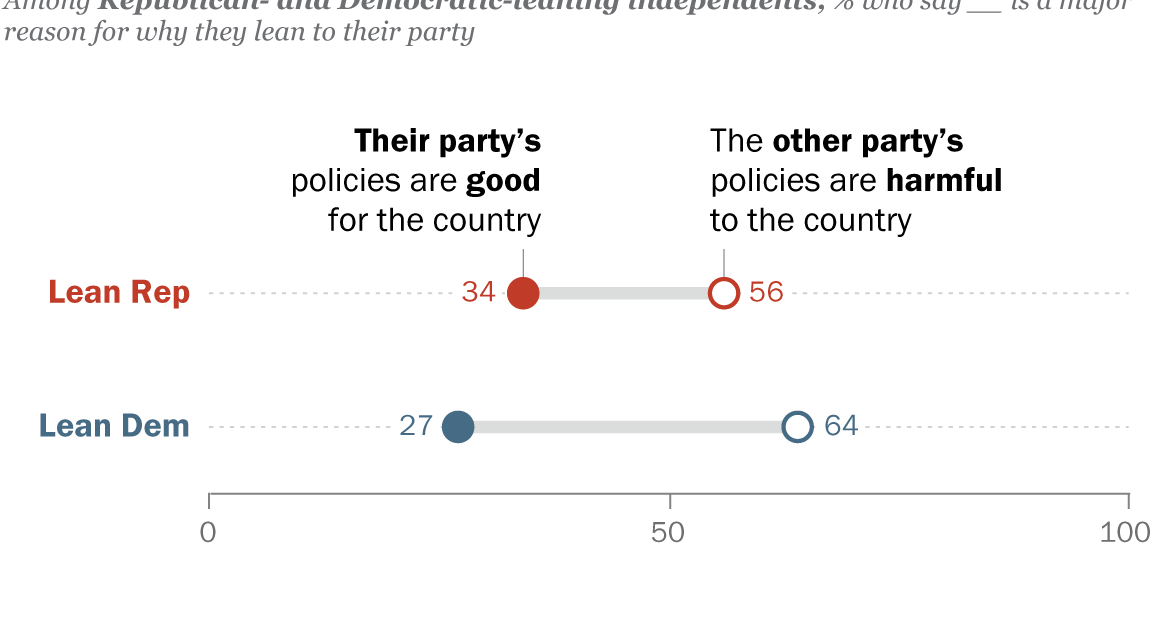
Many don’t consider themselves Republicans or Democrats. Instead, they're independents or something else – though they often “lean” toward a…

The Briefing ☀️ Happy Thursday! The Briefing is your guide to the world of news and information. Sign up here! In today’s email: 🔥 Featured …
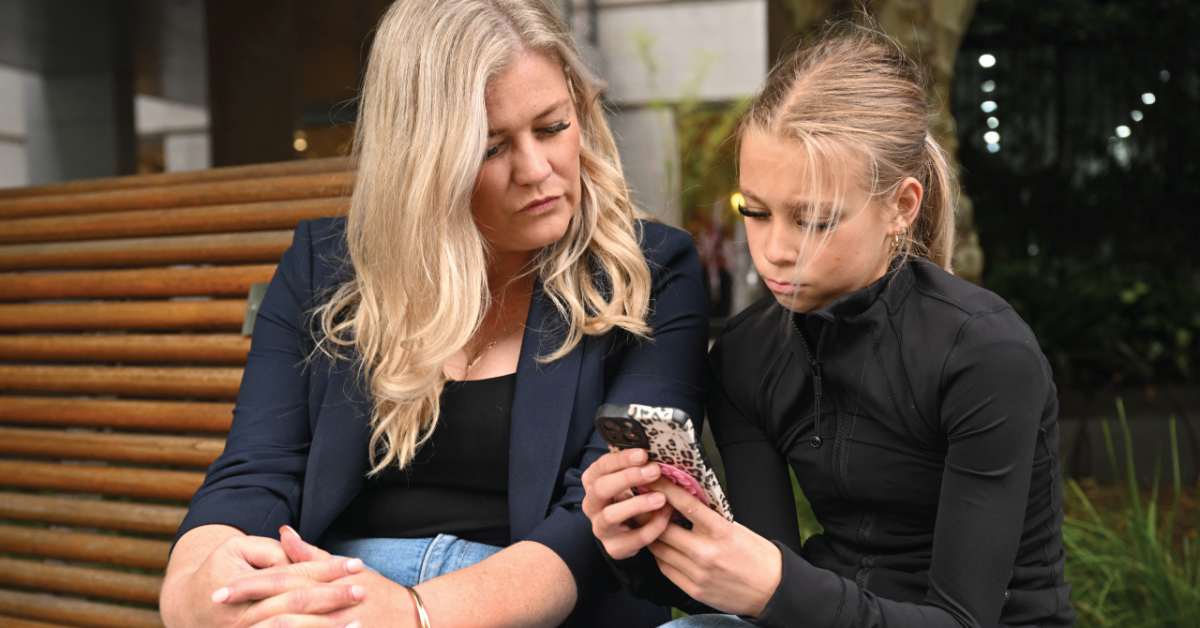
About eight-in-ten Australian adults support restricting access to social media for kids. This includes 51% who strongly support it.
This report is a collaborative effort based on the input and analysis of the following individuals. Richard Wike, Director, Global Attitudes…
About Pew Research Center’s Spring 2026 Global Attitudes Survey Results for the survey are based on a mix of telephone, face-to-face and onl…
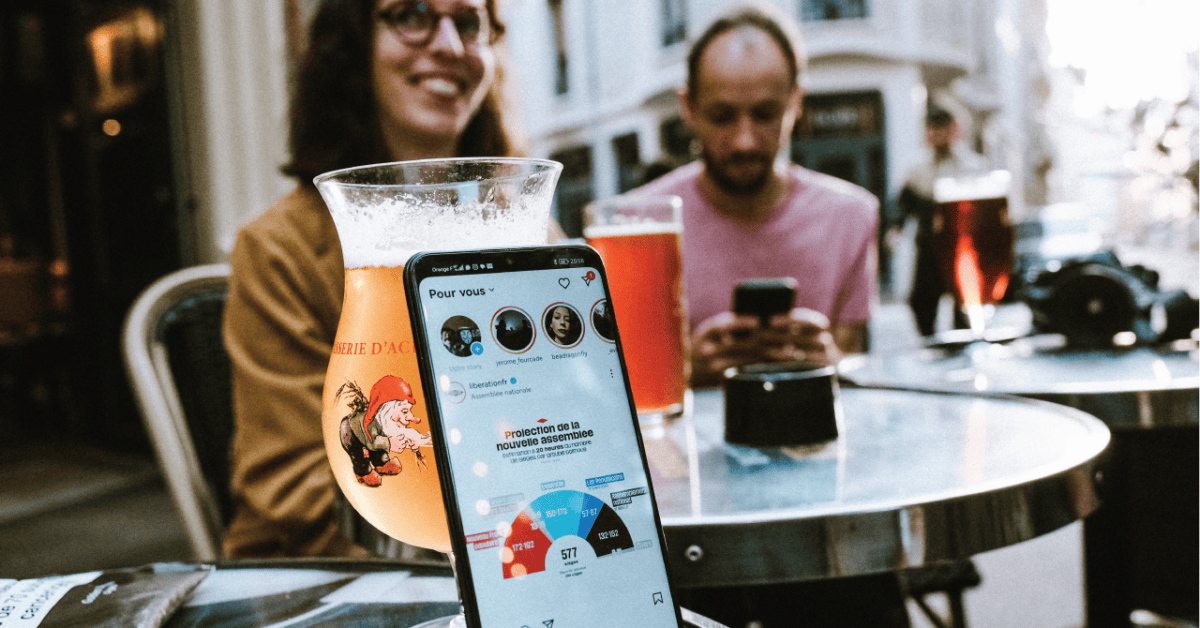
In 2026, 64% of Americans say social media is harming their democracy, and attitudes in many other countries are significantly more negative…
Facebook is generally the top platform globally, followed by Instagram, while fewer overall use TikTok, X or Snapchat.
Most think social media leads to manipulation and division, but they also say it informs people and gives them a voice in politics.
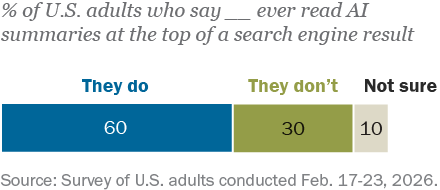
Key takeaways shared in “From AI Insight to AI Impact,” a ComNet 2026 session hosted by Claudia Deane, Executive Vice President, and Monica …

Since 2015, the share of Americans who say they use cash for all or almost all of their purchases in a typical week has fallen by half, from…

No summary available.
The standard profile The extended profile For a full list of questions used in the extended profile, refer to the Wave 183 topline.[8. numof…
You are a respondent to a public opinion survey in the United States of America. Your task is to answer survey questions. You are playing th…
This report compares synthetic polling results with benchmark surveys administered to human respondents. To develop the “silicon sample,” we…
This report is a collaborative effort based on the input and analysis of the following individuals: Primary researchers Athena Chapekis, Com…
Survey experiments with Opus 4.6 and GPT-5.1 each paint a very different picture of U.S. public opinion, neither of which reflect reality.
AI survey respondents are more likely than humans to agree on one answer choice or avoid a response option entirely.
Synthetic surveys fail to replicate public opinion on timely and topical issues in early 2026, including presidential approval and views of …
AI survey respondents are far less likely than humans to select "not sure" or factually incorrect answers.
Synthetic survey respondents tend to exaggerate differences between demographic subgroups and portray some responses as nearly universal.
Synthetic surveys using digital twins do a poor job estimating the public mood and are especially error-prone for some subgroups, including …
Internet, Science & Tech A monthly digest of the Center’s latest research on how the internet, science and technology are impacting society …
Religion & Public Life A weekly digest of the Center’s latest research on religion and public life in the U.S. and around the world · Subscr…